
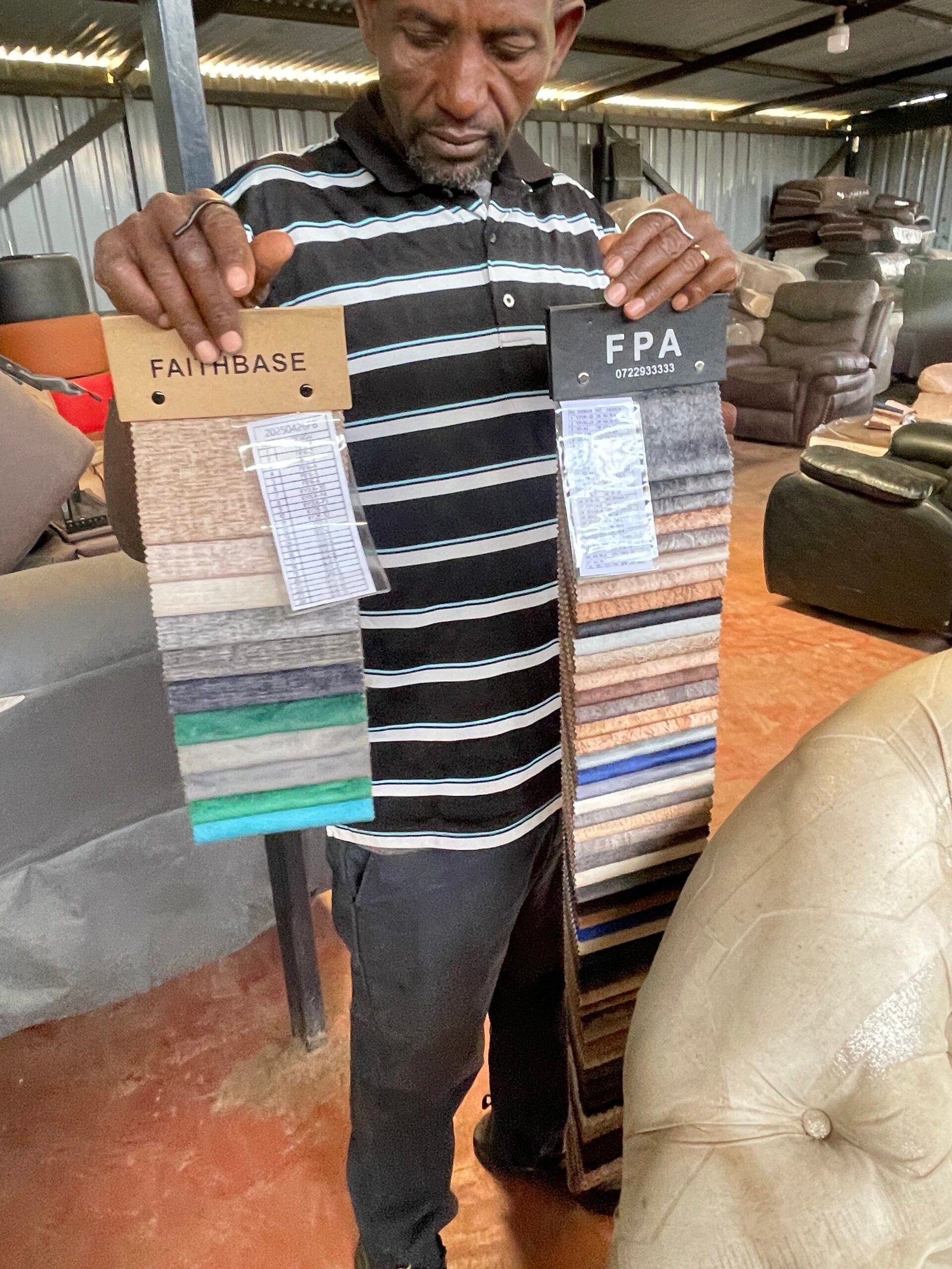
When reupholstering a sofa or choosing new furniture, one of the biggest decisions is leather versus fabric. Both have genuine advantages, and the right choice depends on your household, climate considerations, and how the furniture will actually be used day to day. Here’s a practical comparison to help you decide.
Durability
Genuine leather is exceptionally durable and, with proper care, develops a natural patina that many people find attractive as it ages. It resists punctures and general wear well, making it a strong option for high-traffic households.
Quality fabric is also durable, but wears differently — typically through fading, pilling, or thinning in high-contact areas rather than cracking. Performance fabrics designed for heavy use can rival leather’s durability at a lower cost.
Maintenance and Cleaning
Leather is generally easier to maintain day-to-day. Spills wipe away cleanly in most cases, and it doesn’t absorb odours the way fabric can. It does, however, require occasional conditioning to prevent drying and cracking over time.
Fabric requires more frequent cleaning and is more susceptible to staining, particularly with light-coloured options. That said, many modern fabrics are treated for stain resistance, narrowing this gap considerably.
Comfort and Climate
This is where household needs really diverge. Leather can feel warm against skin in direct sun or during hot afternoons, and cool to the touch in cooler weather — both noticeable in Nairobi’s variable daily temperatures depending on room positioning. Fabric tends to stay more climate-neutral and is generally considered more comfortable for extended lounging, especially in warmer conditions.
Sun and Fade Resistance
Nairobi’s strong, direct sunlight affects both materials over time, though differently. Leather can dry out, crack, and change colour with prolonged sun exposure. Fabric typically fades gradually rather than cracking. For furniture positioned near large windows, some protective positioning or UV-filtering window treatment is worth considering regardless of material choice.
Cost Comparison
Fabric is generally more affordable upfront, both for new furniture and reupholstery projects. Leather costs more initially — both the material itself and the specialised labour required to work with it — but often proves more cost-effective over a longer ownership period due to its durability.
Household Considerations
Homes with children or pets: Leather is often easier to clean after spills or accidents, though it can be more prone to scratches from claws.
Homes with allergies: Leather doesn’t trap dust, pet dander, or allergens the way fabric fibres can, which some households find beneficial.
Style and interior design: Leather tends to read as more formal or classic; fabric offers far more variety in colour, pattern, and texture to match a wider range of interior styles.
Frequently Asked Questions
Can I mix leather and fabric in the same room?
Yes — many interiors successfully combine both, for example a leather sofa with fabric accent chairs, for visual variety.
Which lasts longer in a busy household?
Both can last many years with proper care. Leather tends to handle spills and daily wear slightly better; fabric handles temperature extremes more comfortably.
Do you offer both options for reupholstery?
Yes, we work with both leather and fabric, and can advise on the best fit for your specific piece and household during assessment.
Not Sure Which to Choose?
There’s no universally “correct” answer — it depends on your priorities. Send us details about your household and the piece you’re considering, and we’ll help you weigh the options based on real, practical experience with both materials.